
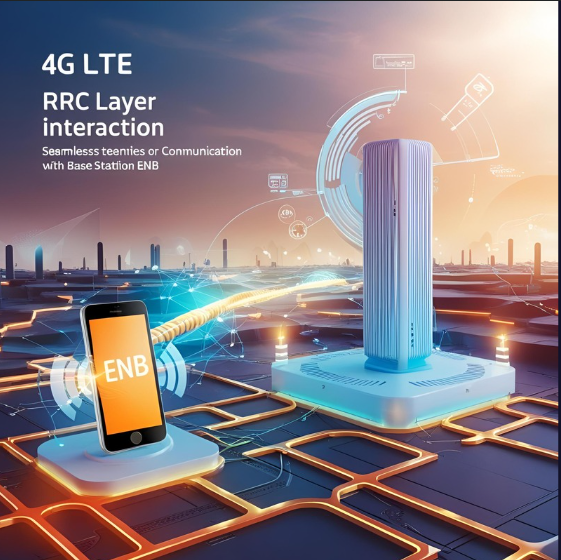
The Radio Resource Controller (RRC) is a key component in mobile networks, particularly in 3G and 4G (LTE) systems. It is defined in the 3GPP standards, particularly in the technical specifications 36.331 and 36.304. Here’s a brief overview:
-
3GPP TS 36.331:
- This is the specification that defines the Radio Resource Control (RRC) protocol for LTE (Long-Term Evolution) systems.
- It specifies the procedures and signaling related to the control of radio resources between the User Equipment (UE) and the evolved NodeB (eNB).
- The main tasks of RRC include managing the establishment, maintenance, and release of communication sessions and handover procedures, as well as the management of radio bearers and cell selection.
-
3GPP TS 36.304:
- This specification deals with the RRC signaling for mobility management in LTE networks.
- It defines procedures for inter-frequency, inter-RAT (Radio Access Technology) handovers, and handover between eNBs.
- It also includes details on UE mobility, cell re-selection, and the management of measurement reporting and cell selection.
In essence, the RRC protocol plays a critical role in managing the connection between a mobile device (UE) and the network, ensuring that resources are efficiently allocated, and handling critical network functions such as handovers and cell management.




Reviews
There are no reviews yet.